
Metro West CD and
Our Affordable Housing Model
Metro West Collaborative Development (or Metro West CD) is a 501(c)(3) non-profit community development corporation founded in 1991. Our mission is to create and preserve affordable housing and undertake programs and policies that help our communities reach and maintain their affordable housing goals. We collaborate with MetroWest communities to expand housing opportunities by:
· Building and preserving affordable housing
· Helping families find and keep their homes
· Counseling community leaders to achieve their housing goals
· Advocating for supportive policy and investment
As part of our mission, Metro West CD builds and owns affordable rental housing. Our buildings are beautifully designed to fit within the neighborhood context and meet high sustainability and accessibility standards. The developments are professionally managed and maintained by a third-party property manager. The properties pay real estate taxes and do not require operating subsidies from the municipality.
Glen Brook Way,
Medway
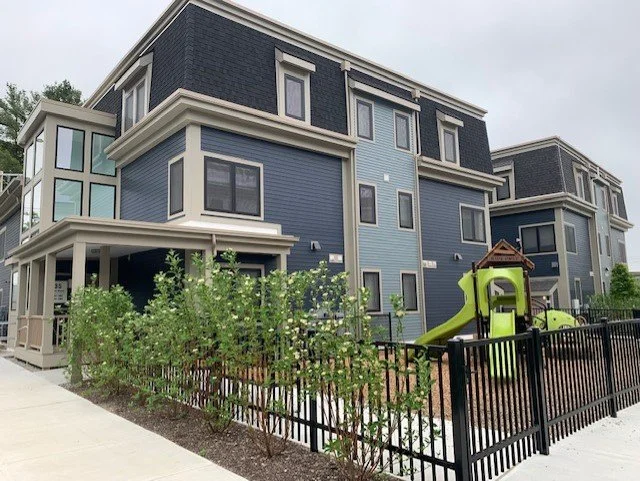
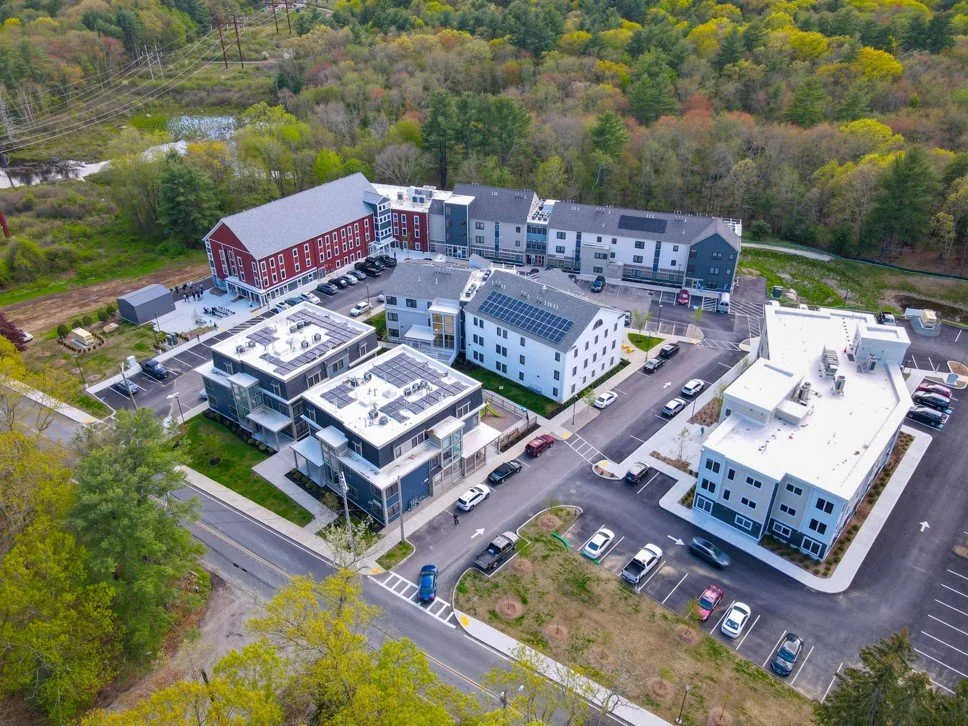
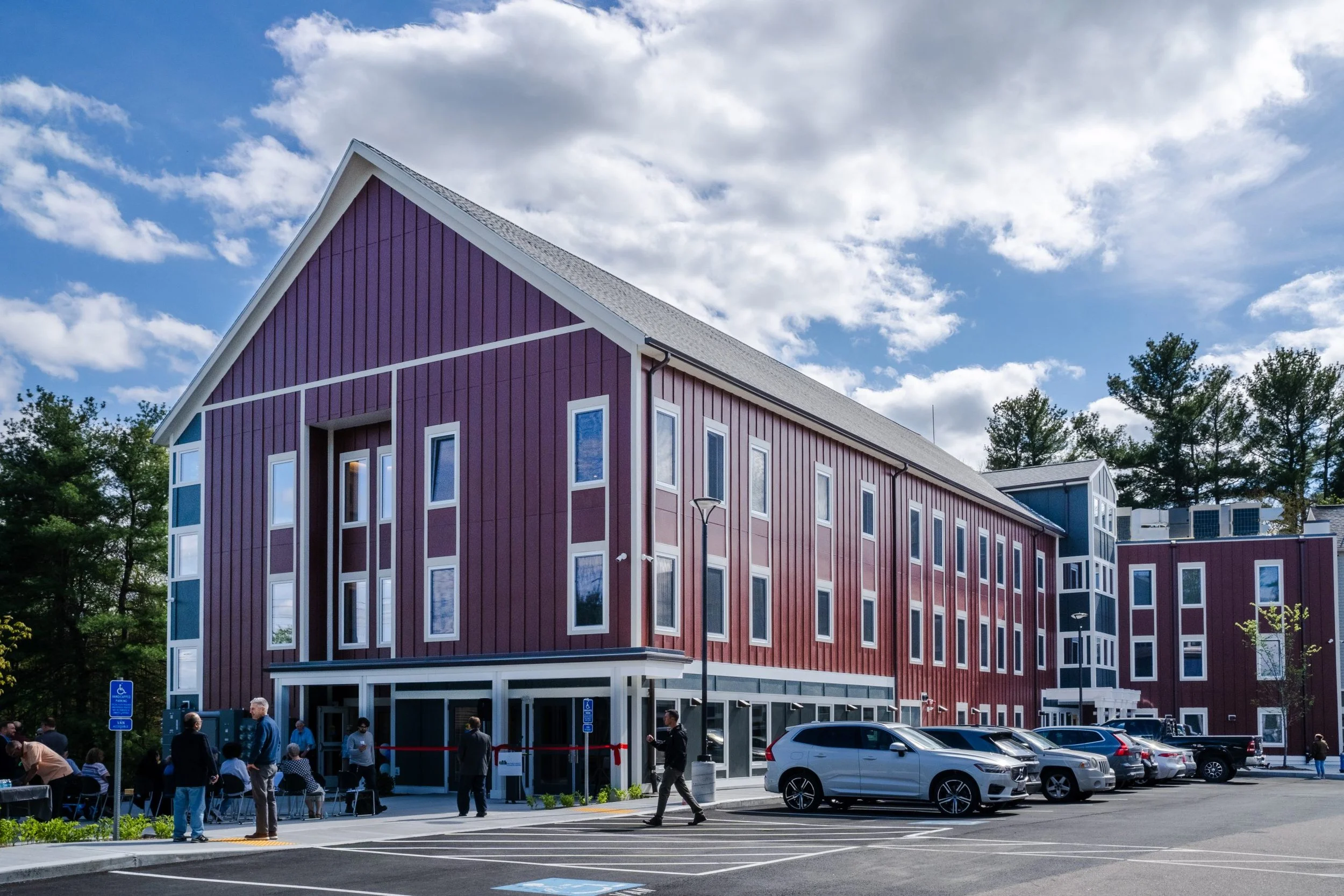
Metro West CD completed an affordable development in Medway called Glen Brook Way Apartments in two phases. This 92-unit intergenerational campus includes affordable rental housing for families and seniors, complete with resident lounges, a playground, meeting rooms for resident services, and on-site property management. The second phase was completed in 2024 and received Passive House certification, a strict sustainability standard.
Packard Street Commons,
Hudson
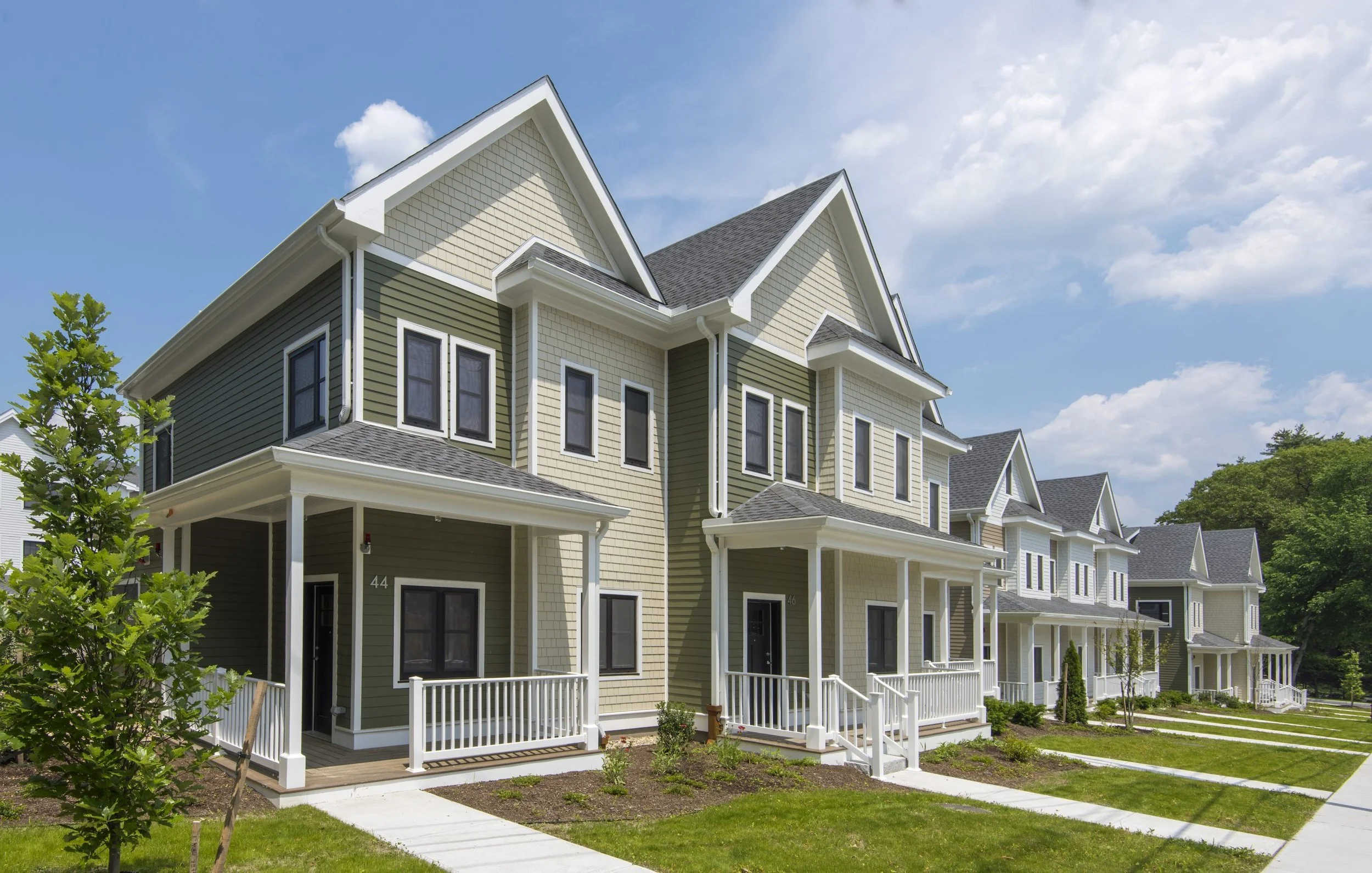
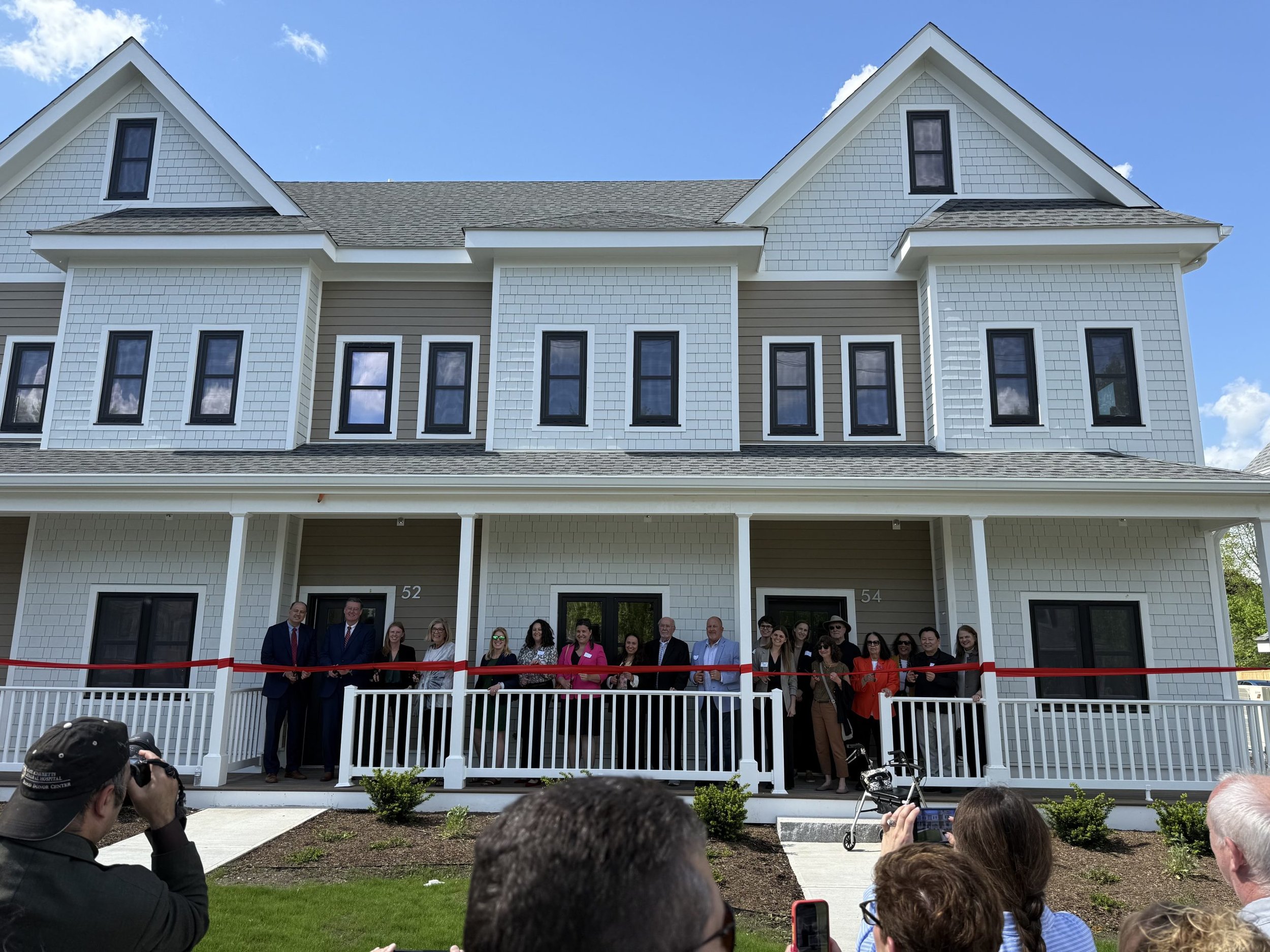
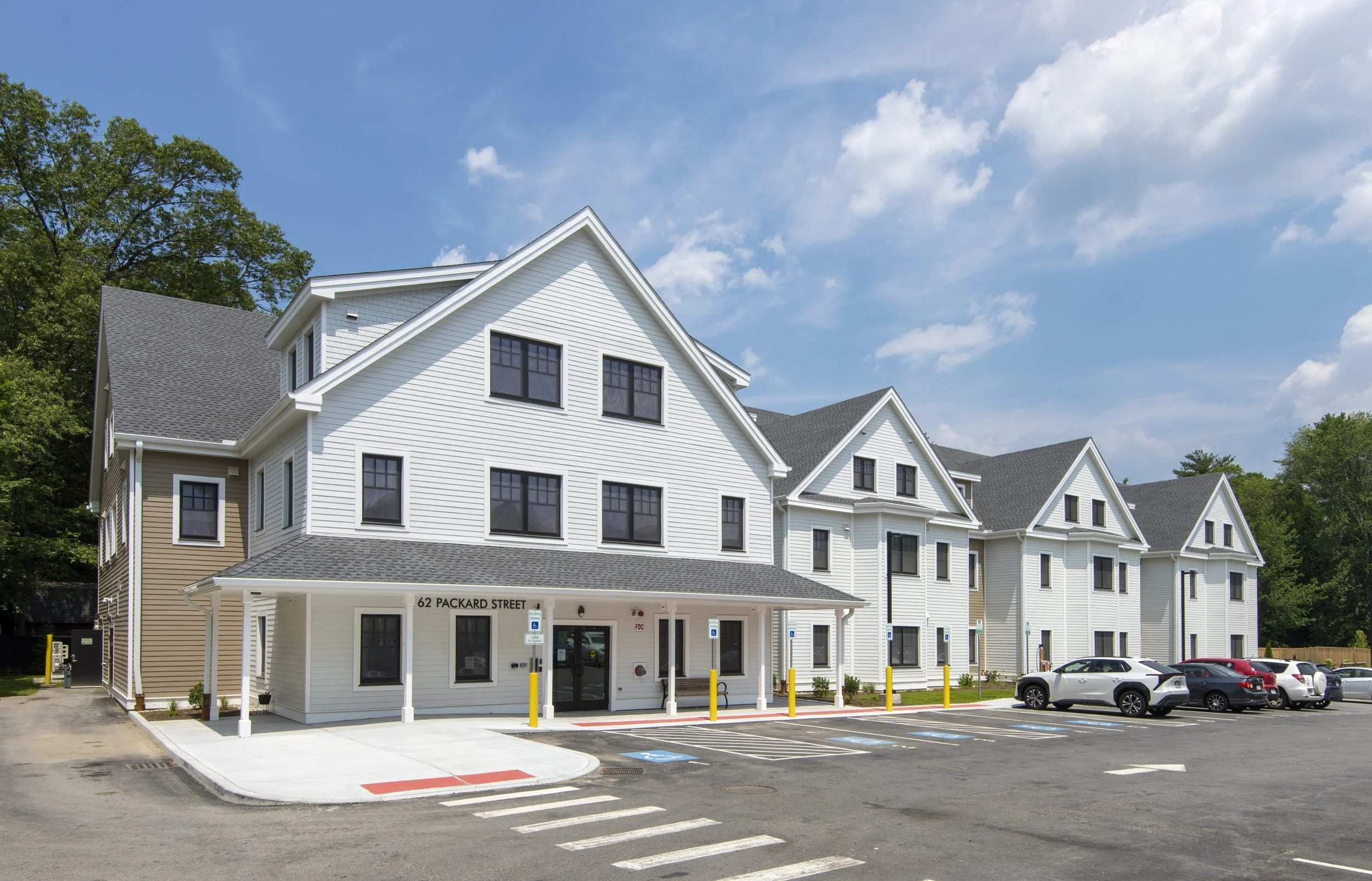
Metro West CD completed an affordable development in Hudson called Packard Street Commons. This 40-unit development includes intergenerational affordable rental housing suitable for families and seniors in nine townhomes and one apartment building, including a community room and on-site property management. Construction was completed in 2025, and the apartment building received Passive House certification, a strict sustainability standard.
Lower Rents at 1178 Main Street
Metro West Collaborative Development’s proposed development at 1178 Main Street will be completely affordable, with 16-20 apartments affordable at 30% of Area Median Income (AMI) and 50% AMI and 28-32 apartments affordable at 60% AMI in perpetuity. The rents in Metro West CD’s proposal will make this housing affordable to many more people than would be able to afford the market rate rents in the original plan. Rent levels are determined by funding programs, and maximum rents are updated annually.
| Rent Level | 1 Bedroom | 2 Bedroom | 3 Bedroom |
|---|---|---|---|
| Market Rate (For-Profit Developer) | $2,500 | $2,950 | $3,400 |
| 80% Area Median Income (For-Profit Developer) | $2,482 | $2,978 | $3,441 |
| 60% Area Median Income (Metro West CD Proposal) | $1,768 | $2,121 | $2,451 |
| 30% - 50% Area Median Income (Metro West CD Proposal) | 30% of Household Income | ||
Example 2025 Market Rate / Mixed-Income Rents
60%-80% AMI Rents based on Boston-Cambridge-Quincy, MA-NH HUD Metro FMR Area
Range of Income Limits
Income limits will be based on median incomes for the Boston metro area as set by HUD. Exact income limits depend on household size and are adjusted every year.
2025 Household Income Limits
| Household Size | 60% AMI | 30% AMI |
|---|---|---|
| 1 Person | $69,480 | $34,740 |
| 2 Person | $79,440 | $39,720 |
| 3 Person | $89,340 | $44,670 |
| 4 Person | $99,240 | $49,620 |
| 5 Person | $107,220 | $53,610 |
| 6 Person | $115,140 | $57,570 |
Boston-Cambridge-Quincy, MA-NH HUD Metro FMR Area
Apartments Affordable to Local Workers and Seniors
The proposed affordability at 30% - 60% of Area Median Income (AMI) would create apartments affordable to seniors, families, and individuals, including employees of Millis businesses and municipal services.
Who Might Live
in a 30% AMI Apartment
A retired senior receiving the average monthly Social Security benefit paid to retired workers in Massachusetts, $2,003 per month.
A divorced parent with one child, working full-time as a cashier earning $17 per hour.
Who Might Live
in a 60% AMI Apartment
A public-school teacher or librarian earning $60,000 per year.
A family with two children, with one adult working full-time as a firefighter or paramedic earning $60,000 per year and one adult working full-time in food services earning minimum wage.